what to do if your ketones are too high The ketogenic diet: fueling the body with fat
Diabetes and ketones have a direct correlation, and understanding the symptoms, testing methods, and treatment options is crucial for managing this condition effectively. This article aims to provide comprehensive insights into diabetes and the role of ketones. Let’s delve into the topic and shed light on why high ketone levels can be dangerous.
What are Ketones?
Ketones are organic compounds that the body produces when it breaks down fats for energy in the absence of sufficient glucose. In the context of diabetes, ketones are primarily associated with type 1 diabetes, but they can also be a concern for individuals with type 2 diabetes.
Symptoms of High Ketone Levels
When ketone levels rise above normal in the bloodstream, a condition called diabetic ketoacidosis (DKA) may occur. DKA is a severe complication that mainly affects those with type 1 diabetes, but it can, although more rarely, affect individuals with type 2 diabetes as well. It is crucial to recognize the symptoms of high ketone levels and seek immediate medical attention if any of the following signs arise:
- Excessive thirst and frequent urination
- Abdominal pain
- Confusion or difficulty concentrating
- Unusual fatigue or weakness
- Fruity-scented breath
- Nausea and vomiting
- Rapid breathing
If left untreated, high levels of ketones can cause a life-threatening condition, leading to a diabetic coma or even death. Therefore, it is vital to be aware of these symptoms and take appropriate action.
Testing for Ketones
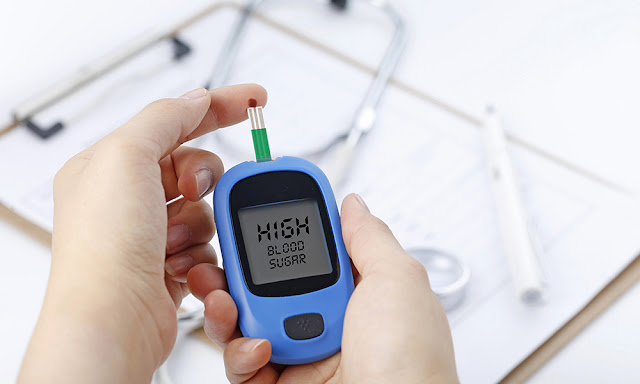
Regular monitoring of blood glucose levels is crucial for individuals with diabetes, and in some cases, testing for ketones is just as important. Ketone testing can be done at home using urine strips or blood ketone meters. Urine strips are convenient and readily available, but blood ketone meters provide more accurate results. It is recommended to consult with a healthcare professional to determine the most suitable testing method for individual needs.
Treatment for High Ketone Levels
If you have diabetes and test positive for high ketone levels, it is essential to take immediate action to avoid further complications. Here are a few steps you can take:
- Stay hydrated: Drink plenty of water and fluids to prevent dehydration and help flush out excess ketones.
- Monitor glucose levels: Regularly check your blood sugar levels and take insulin as prescribed by your healthcare provider.
- Seek medical assistance: If your ketone levels are persistently high or if you are experiencing severe symptoms, contact your healthcare provider immediately.
In cases where the ketone levels are dangerously high, hospitalization may be required to administer intravenous fluids and close monitoring.
 Conclusion
Diabetes and ketones are closely intertwined, and understanding the symptoms, testing options, and treatment strategies is essential for effectively managing the condition. High ketone levels can lead to severe complications, including diabetic ketoacidosis, which requires immediate medical attention.
If you are living with diabetes, it is important to work closely with your healthcare team to establish a comprehensive management plan that includes monitoring ketone levels and taking necessary precautions to prevent high ketone levels. By staying informed and proactive, individuals with diabetes can effectively manage and minimize the risks associated with ketones.
 Remember, early detection and timely intervention are crucial in managing diabetes and its associated complications. Speak to your healthcare provider for personalized guidance and take control of your health.
If you are looking for The Ketogenic Diet: Fueling the Body with Fat | Dirt to Dinner you’ve visit to the right page. We have 5 Pics about The Ketogenic Diet: Fueling the Body with Fat | Dirt to Dinner like The Ketogenic Diet: Fueling the Body with Fat | Dirt to Dinner, What are ketones, symptoms of high ketone levels, and why are they dangerous? and also What are ketones, symptoms of high ketone levels, and why are they dangerous?. Read more:
The Ketogenic Diet: Fueling The Body With Fat | Dirt To Dinner
 www.dirt-to-dinner.comketone ketones acetone bodies acetoacetate body bhb types why diet ketogenic keto fat levels beta hydroxybutyrate ketosis acid look made
Diabetes And Ketones – Symptoms, Testing, And Treatment - The Holistic Route Magazine
hr.olistica.coketones
Pin On Ketogenic Tips - KetoaHolics
 www.pinterest.comketoaholics ketones ketosis scientifically answering backed
What Are Ketones, Symptoms Of High Ketone Levels, And Why Are They Dangerous?
www.singlecare.comketones
Can Your Ketones Go Too High? - YouTube
 www.youtube.comketones
What are ketones, symptoms of high ketone levels, and why are they dangerous?. Ketone ketones acetone bodies acetoacetate body bhb types why diet ketogenic keto fat levels beta hydroxybutyrate ketosis acid look made. The ketogenic diet: fueling the body with fat